What Does a Roof Inspection Include? A Homeowner’s Guide
Your roof protects your home from the elements, but many roofing problems develop gradually and remain unnoticed until water starts coming through the ceiling.
A professional roof inspection helps identify damaged materials, potential leaks, deterioration and other issues before they become more expensive to resolve. It can also help you understand whether your roof needs a straightforward repair, more extensive refurbishment or eventual replacement.
But what exactly does a roofer look for, and what should you expect during the inspection?
In this guide, we explain the main areas checked during a roof inspection, the warning signs worth knowing and how an inspection can help you make informed decisions about your home’s roof.
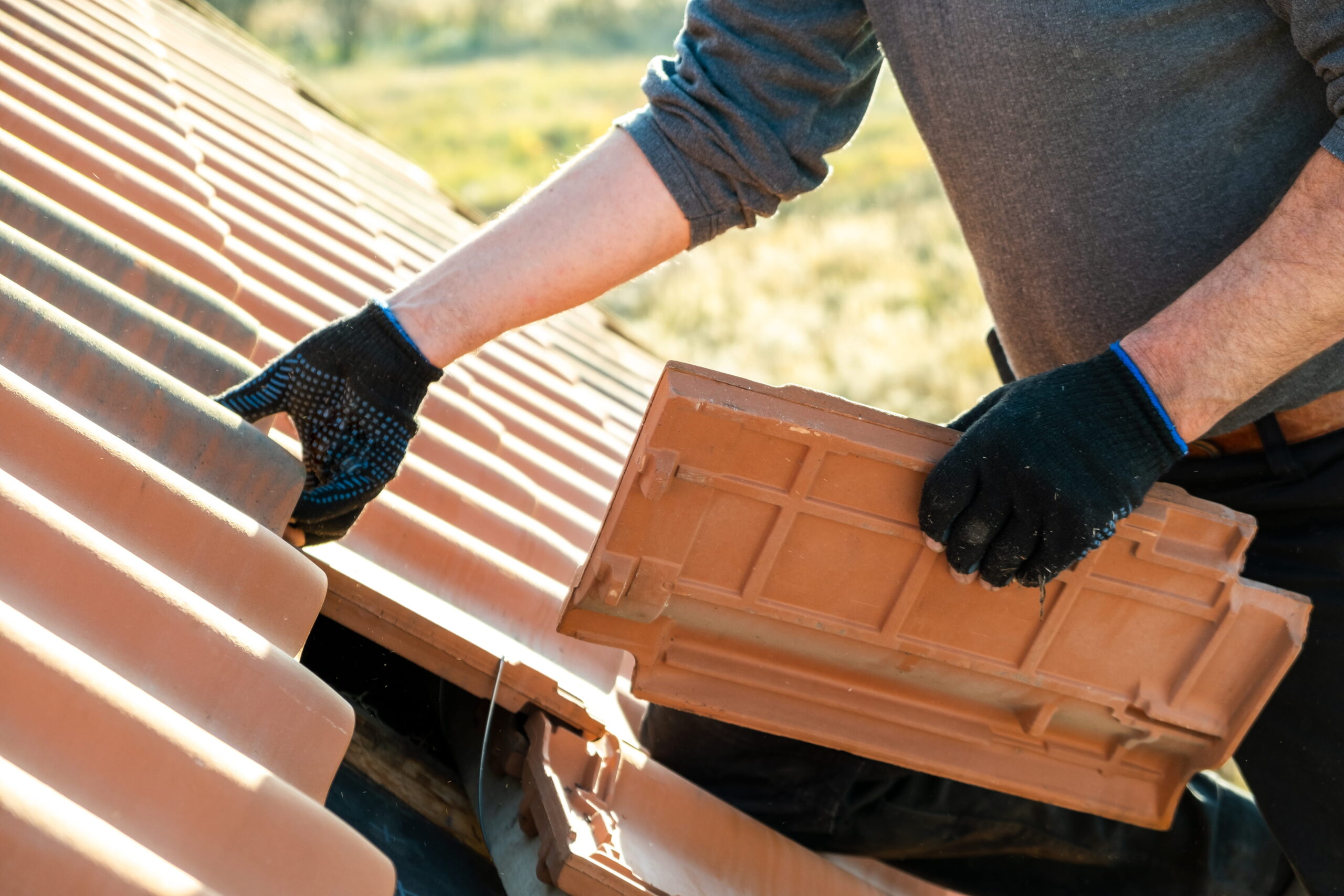
What Does a Professional Roof Inspection Cover?
A professional roof inspection involves assessing the visible condition of your roof, identifying defects and looking for signs of water ingress or deterioration.
The exact checks depend on the roof’s design, age, materials, accessibility and the reason for the inspection.
A roofer will typically assess:
- Roof tiles or slates: Checking for cracked, missing, slipped or deteriorating coverings.
- Ridges, hips and verges: Looking for loose components, failed mortar and damaged fixings.
- Flashing and leadwork: Examining areas around chimneys, roof junctions and other vulnerable points.
- Chimneys: Checking visible brickwork, mortar joints, chimney flashings and general condition.
- Gutters and roofline: Looking for blockages, damage, poor drainage and deteriorating fascias or soffits.
- Flat roof coverings: Assessing visible signs of splitting, lifting, blistering or standing water.
- Roof structure and ventilation: Looking for visible signs of sagging, moisture or poor airflow where these areas can be safely accessed.
An inspection should help establish what is wrong, how serious the issue appears to be and whether further investigation is necessary.
It is important to understand that a routine visual roof inspection is not the same as a structural survey. Hidden defects may require additional access, specialist assessment or opening up parts of the roof.
What Do Roofers Look For During a Roof Inspection?
Different parts of a roof deteriorate in different ways. An experienced roofer will look beyond the most obvious damaged tile and consider how the roof works as a complete system.
1. Damaged, Missing or Slipped Roof Tiles
Roof tiles and slates form the main weatherproof covering on most pitched roofs.
During an inspection, a roofer looks for cracked tiles, missing sections, slipped slates, loose fixings and signs that the covering is reaching the end of its useful life.
A single slipped tile may be a relatively simple repair. However, repeated slipping across several areas could indicate deteriorating fixings, ageing materials or problems beneath the covering.
The distinction matters because replacing individual tiles will not necessarily solve a wider issue.
2. Ridge Tiles, Verges and Roof Junctions
Ridge tiles sit along the highest point of a pitched roof, while verges form the exposed edges of certain roof slopes.
These areas are particularly vulnerable to wind and weather.
A roofer may check for:
- Cracked or missing mortar
- Loose ridge or hip tiles
- Damaged verge details
- Movement or gaps around roof junctions
- Signs of previous repairs that have started to fail
Loose components can create openings for rainwater and may become a safety concern during strong winds.
3. Lead Flashing and Weatherproof Seals
Flashing helps prevent rainwater entering where the roof meets another surface, such as a chimney, wall or adjoining roof section.
Lead is commonly used for this purpose, although other flashing materials are also found on domestic roofs.
An inspection will look for visible splits, lifting, poor overlaps, damaged joints or signs that flashing has moved away from the surface it should protect.
These details deserve attention because a roof can have sound tiles but still leak around a poorly sealed junction.
4. Chimney Stacks and Mortar Joints
Chimneys are exposed to the weather from several directions, making them a common source of roofing problems.
A roof inspection may include checking the visible chimney stack for deteriorating mortar, damaged brickwork, loose components and defective flashing.
If the mortar joints are failing, repointing may be appropriate. More extensive deterioration can require substantial chimney repairs or rebuilding.
The right recommendation depends on the condition of the structure rather than its appearance alone.
5. Gutters, Fascias and Soffits
A roof inspection should also consider how rainwater leaves the roof.
Gutters and downpipes that are blocked, leaking or incorrectly positioned can allow water to overflow onto walls, roofline components and areas around the property.
A roofer may look for overflowing gutters, loose brackets, damaged joints, signs of timber decay and visible deterioration to fascias or soffits.
These problems are not always caused by the roof covering itself, but they can contribute to dampness and ongoing maintenance issues.
6. Flat Roof Coverings and Drainage
Flat roofs require a slightly different inspection approach.
Whether the roof uses felt, GRP fibreglass, EPDM rubber or another covering, the roofer will assess visible signs of deterioration appropriate to that material.
Potential issues include:
- Cracks, splits or punctures
- Lifting seams or edges
- Blistering or surface damage
- Water collecting in low areas
- Deteriorating details around outlets and upstands
Some standing water can occur on flat roofs, but persistent ponding should be assessed in context, particularly if it is accompanied by leaks or visible deterioration.
An inspection helps determine whether a localised repair is reasonable or whether the covering may need replacing.
7. Roof Timbers, Underlay and Loft Conditions
Not every roofing problem is visible from outside.
Where loft access is available and safe, checking the underside of the roof can provide useful clues about its condition.
Warning signs may include water staining, damp timber, daylight visible through unexpected gaps, damaged underlay or signs of condensation.
A roofer may also consider whether ventilation appears adequate, although a detailed condensation or structural investigation may require further assessment.
For older roofs, the condition of the underlay, battens and supporting timbers can be particularly important when deciding between continued repairs and a more substantial roof overhaul.
How Is a Roof Inspection Carried Out?
A roof inspection does not always require someone to walk across the roof.
The method depends on the property, the height and pitch of the roof, the weather, available access and the suspected problem.
A typical inspection follows several stages.
Understanding the Problem
The roofer will usually begin by asking what you have noticed.
This might include a damp patch, a missing tile, recurring leaks or concerns about the roof’s age.
Knowing when a leak occurs and whether previous repairs have been carried out can help narrow down possible causes.
Examining the Roof Externally
The roofer assesses the accessible roof coverings, junctions, chimney details and rainwater goods.
Depending on the situation, this may involve viewing the roof from ground level, using suitable access equipment or carrying out a closer examination where safe.
Checking Internal Warning Signs
If appropriate, the roofer may ask to inspect the loft or the room where water damage has appeared.
This can help connect internal symptoms with possible external defects, although the exact entry point of a leak is not always immediately obvious.
Explaining the Findings
After the inspection, the homeowner should understand which defects have been identified, what may be causing them and which options are worth considering.
For more complex issues, further investigation may be recommended before deciding on repairs or replacement.
What Are the Signs You Need a Roof Inspection?
You do not need to wait until water starts dripping through the ceiling.
Some of the earliest warning signs are visible from the garden or inside the loft.
| Warning Sign | What It Could Indicate |
| Missing or slipped tiles | Wind damage, failed fixings or ageing roof coverings |
| Damp patches on ceilings | Water ingress, condensation or another moisture source |
| Repeated leaks after repairs | An unresolved defect or wider roof deterioration |
| Loose ridge tiles | Deteriorating mortar or fixings |
| Water overflowing from gutters | Blockages, damage or drainage problems |
| Visible sagging | Possible structural movement or deterioration |
| Daylight or dampness in the loft | Gaps, damaged coverings or ventilation-related issues |
| Cracked or lifting flat roof material | Ageing, movement or damage to the waterproof covering |
These signs do not automatically mean you need a new roof. They indicate that a closer assessment would be sensible.
If you notice significant sagging, loose materials that could fall or water near electrical fittings, keep clear of the affected area and arrange appropriate professional help promptly.
How Often Should You Have Your Roof Inspected?
There is no single inspection interval that suits every home.
The appropriate frequency depends on the roof’s age, condition, exposure to the weather and repair history.
For a roof that appears to be in good condition, a professional inspection every few years may be a sensible preventative measure. Older roofs or those with a history of recurring problems may benefit from more frequent checks.
You should also consider an inspection:
- After severe storms or unusually strong winds
- When buying a property with an older roof
- Before undertaking substantial loft or roof-related building work
- If tiles repeatedly slip or leaks return
- When planning major roofing expenditure
Homeowners can also carry out occasional visual checks from a safe position on the ground.
Avoid climbing onto the roof yourself. Roof surfaces can be fragile and slippery, and even a low roof presents a fall risk.
Can a Roof Inspection Tell You Whether You Need Repairs or a New Roof?
Yes. One of the most valuable reasons to arrange a roof inspection is to understand whether the problem is isolated or part of wider deterioration.
A damaged tile does not necessarily justify replacing an entire roof. Equally, repeatedly patching an ageing roof may become less practical if several components are failing.
The inspection should consider the overall condition of the roof, not simply the defect that prompted the visit.
| Roof Condition | What May Be Appropriate |
| One or two damaged tiles on an otherwise sound roof | Localised repairs |
| A leaking chimney junction with sound surrounding coverings | Flashing or chimney repairs |
| Repeated slipping tiles and widespread deterioration | A broader assessment of the roof covering and fixings |
| Ageing flat roof with extensive splitting or recurring leaks | Consideration of flat roof replacement |
| Multiple failing components across an older pitched roof | Assessment for a roof overhaul or complete renewal |
At The Roof Doctor, we believe homeowners should understand the condition of their roof before committing to major work.
With over 30 years of hands-on roofing experience, Norman Bath assesses roofing problems with a focus on identifying what genuinely needs attention.
Sometimes a targeted repair is the sensible option. In other cases, particularly where an older roof has recurring faults, a more comprehensive solution may offer better long-term value.
If you are weighing up extensive repairs against replacing an ageing roof, our guide to roof overhauls explains the type of work that may be involved.

What Is the Difference Between a Roof Inspection and a Roof Survey?
The terms are sometimes used interchangeably, but they do not always describe the same level of assessment.
A routine roof inspection is generally a visual assessment of accessible areas, focused on identifying defects, understanding the roof’s condition and recommending next steps.
A more detailed roof survey may involve a wider investigation, documented findings, specialist equipment or additional access arrangements, depending on its purpose.
For example, a homeowner investigating a recurring leak may need a roofing inspection, while a property purchase, insurance dispute or suspected structural defect could call for a more formal survey by an appropriately qualified professional.
It is worth asking what the assessment includes before booking, particularly if you require a written report for a specific purpose.
How Much Does a Roof Inspection Cost in the UK?
Roof inspection costs vary depending on the property, the type of assessment and the access required.
Some roofing businesses offer free initial assessments or roof health checks, particularly when homeowners are seeking advice about possible repair or replacement work.
More detailed surveys, specialist investigations and inspections requiring additional access equipment may involve a charge.
Before arranging an appointment, ask whether the inspection is free or chargeable, what areas can be examined, whether a written report is included and whether any additional investigation would need separate approval.
The Roof Doctor offers a free roof health check for homeowners looking for advice about their roof’s condition. If you need a formal survey for a mortgage, insurance claim or structural assessment, make sure the service you arrange meets that specific requirement.
Common Questions About Roof Inspections
How Long Does a Roof Inspection Take?
The time required depends on the size and complexity of the roof, the access available and the issues being investigated. A straightforward visual assessment may be relatively quick, while larger roofs or recurring leaks can require more detailed investigation.
Does a Roofer Need to Go Into the Loft?
Not always, but loft access can be useful when investigating leaks, dampness or concerns about the roof’s structure. The roofer should explain whether an internal inspection is necessary and what can be assessed safely.
Can a Roof Inspection Find the Exact Cause of a Leak?
Often, an inspection can identify likely entry points, such as damaged tiles or defective flashing. However, water can travel along roof timbers and other surfaces before appearing indoors. Some leaks require further investigation to confirm the source.
Should I Have My Roof Inspected After a Storm?
If you notice displaced tiles, loose components, new leaks or other visible damage, arranging an inspection is sensible. You should not climb onto the roof to check it yourself, particularly after high winds or heavy rain.
Will a Roof Inspection Mean I Need to Replace My Roof?
No. An inspection is intended to establish the roof’s condition, not automatically recommend replacement. Many problems can be resolved through targeted repairs. A roof overhaul or replacement becomes worth considering when deterioration is widespread or repairs are no longer a practical long-term solution.
Understand Your Roof’s Condition Before Making a Decision
A roof inspection gives you a clearer picture of what is happening above your home.
Whether you have noticed a slipped tile, are dealing with a recurring leak or simply want reassurance about an ageing roof, understanding the cause of the problem is the best place to start.
It also helps you avoid two common mistakes: overlooking defects that may worsen over time and committing to extensive work before understanding whether it is necessary.
At The Roof Doctor, we have been helping homeowners care for their roofs since 2002. As a family-run roofing business serving Hampshire and neighbouring Surrey, we aim to provide straightforward assessments and clear explanations of the available options.
If you are concerned about your roof, you can arrange a free roof health check with The Roof Doctor to discuss its condition and find out what attention, if any, it may need.
